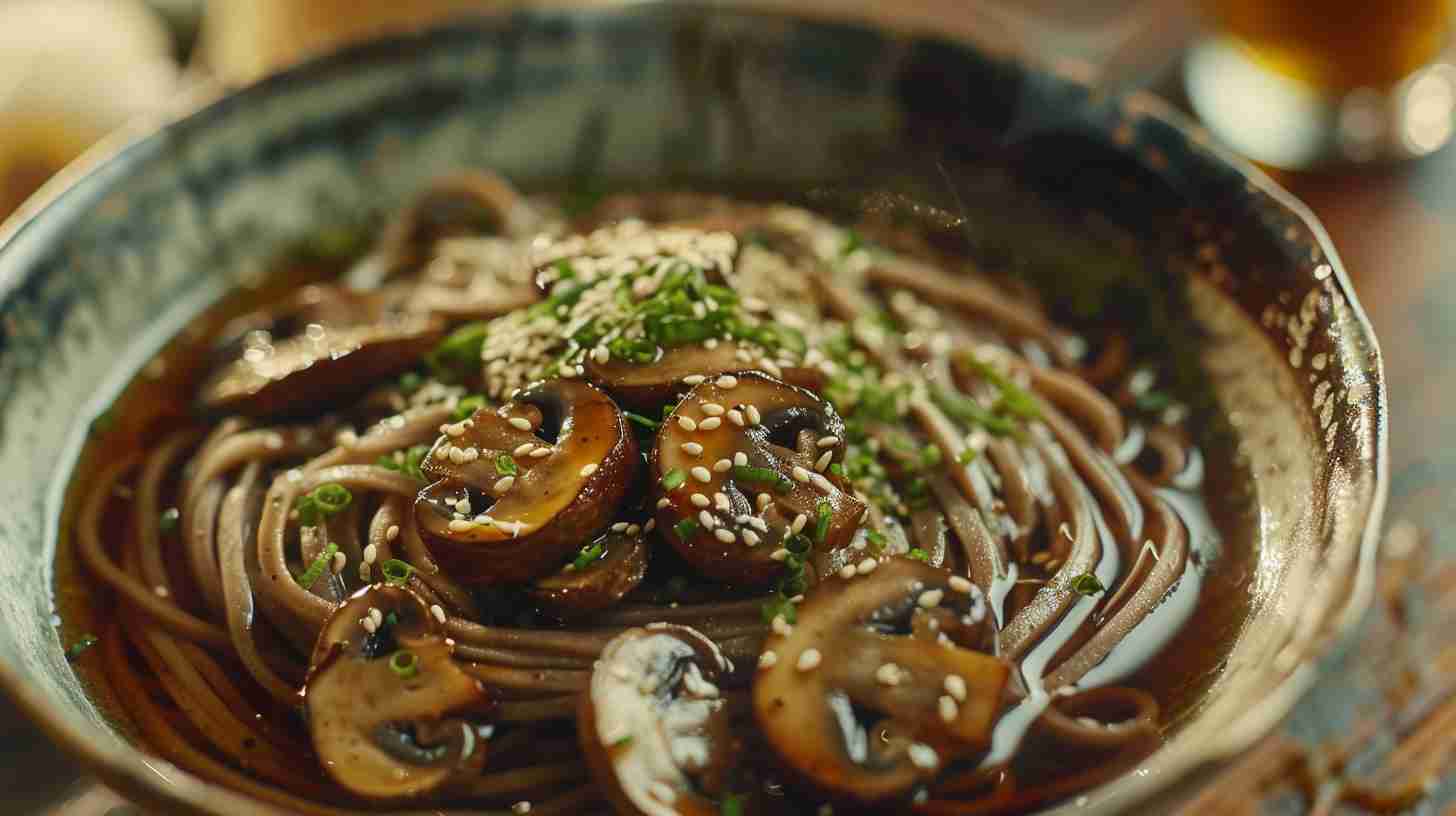
Soba Noodles with Mushroom Miso Sauce
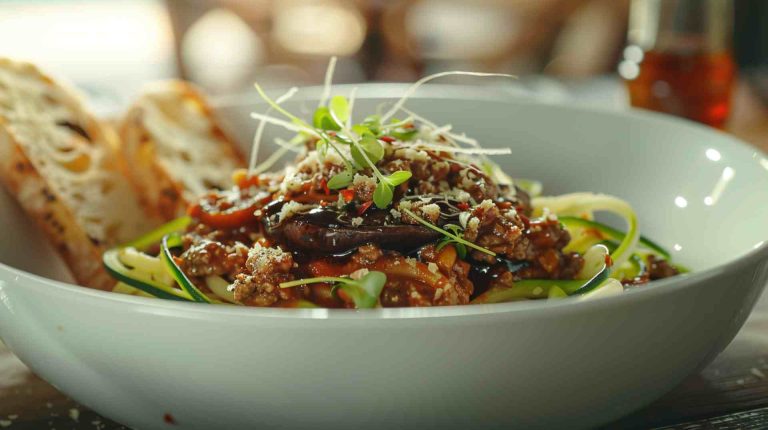
Dive into a bowl of chewy soba noodles enveloped in a luscious, umami-packed mushroom miso sauce that highlights the earthy depth of assorted mushrooms simmered with creamy miso paste, garlic, and a touch of sesame oil. This vegan-friendly dish, inspired by Japanese comfort food, comes together in under 30 minutes, offering a hearty yet light meal that’s ideal for cozy evenings or meal prep. Garnished with scallions and sesame seeds, it’s a symphony of savory, nutty, and subtly sweet flavors that will leave you craving seconds.
Why You’ll Love This Recipe
This Soba Noodles with Mushroom Miso Sauce isn’t just a meal—it’s a warm hug on a plate that transforms simple pantry staples into something extraordinary. Imagine the satisfying bite of buckwheat soba noodles mingling with tender, caramelized mushrooms in a sauce so velvety and flavorful it rivals your favorite restaurant takeout, but without the hefty price tag or wait time. What truly sets it apart is its effortless elegance: it’s naturally gluten-free (if you opt for 100% buckwheat soba), packed with plant-based protein and fiber from the mushrooms and noodles, and versatile enough to suit any dietary tweak. You’ll adore how it fills your kitchen with intoxicating aromas of miso and garlic, drawing everyone to the table with smiles. Plus, it’s forgiving for beginners—minimal chopping, no fancy equipment needed—yet sophisticated enough to impress guests. Health-conscious eaters will appreciate the nutrient boost from antioxidant-rich mushrooms and fermented miso, which supports gut health, while busy folks will thank its quick prep that doesn’t skimp on satisfaction. In short, this recipe delivers joy in every slurp, making it a staple you’ll return to time and again for its comforting reliability and burst of Japanese-inspired bliss.
Soba Noodles with Mushroom Miso Sauce
Ingredients
Method
- Prep your mise en place like a pro: Start by boiling a large pot of salted water for the soba— it'll be ready when you need it. While it heats, slice your mushrooms evenly for that perfect sear, mince the garlic, grate the ginger, and slice the scallions. This quick setup keeps everything flowing smoothly and stress-free.
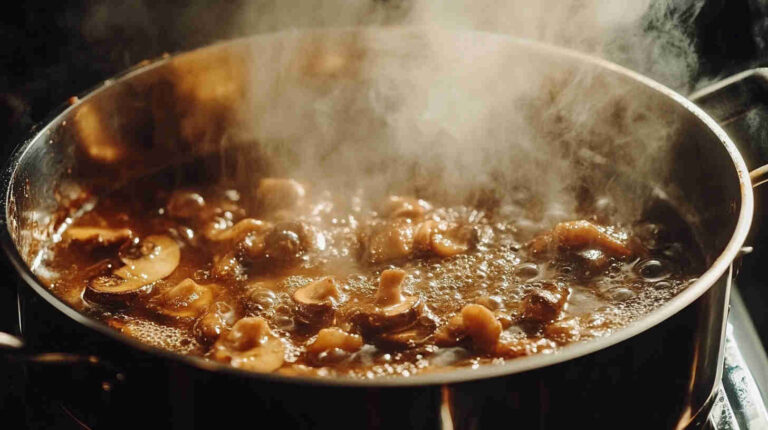
- Sauté the mushrooms to golden glory: In a wide skillet over medium-high heat, warm 1 tablespoon of sesame oil until shimmering. Add the sliced mushrooms in a single layer (work in batches if needed to avoid steaming). Let them sizzle undisturbed for 3-4 minutes until deeply browned and caramelized— that Maillard magic is where the flavor lives! Flip and cook another 2 minutes until tender. Oh, the aroma is going to be heavenly.
- Infuse with aromatics: Scoot the mushrooms to one side of the skillet and drizzle in the remaining 1 tablespoon sesame oil. Toss in the minced garlic and grated ginger, stirring for 30 seconds until fragrant and just golden—don't let it burn, or it'll turn bitter. Stir everything together for a quick mingle, about 1 minute, letting those flavors bloom like a cozy campfire.
- Build the miso magic: In a small bowl, whisk together the miso paste, tamari, rice vinegar, and vegetable broth until silky smooth—no lumps here for that velvety sauce dream. Pour this umami elixir into the skillet with the mushrooms, reducing the heat to medium-low. Stir gently to coat everything, simmering for 2-3 minutes as the sauce thickens into a luscious embrace. Taste and tweak with a pinch more vinegar if you crave extra zing.
- Cook the soba with love: By now, your water should be at a rolling boil—drop in the soba noodles and cook according to package instructions, usually 4-5 minutes for al dente chewiness. Stir occasionally to prevent sticking; these buckwheat beauties love a gentle nudge. You're building the perfect base for sauce-clinging glory!
- Drain and rescue the starch: Once the soba is tender yet firm, reserve ½ cup of the starchy cooking water (your secret sauce weapon!) before draining. This golden liquid will help emulsify everything later. Give the noodles a quick shake—no rinsing—to keep that natural starch for better adhesion. Pro move: Toss them lightly with a drizzle of oil if waiting a minute before the next step.
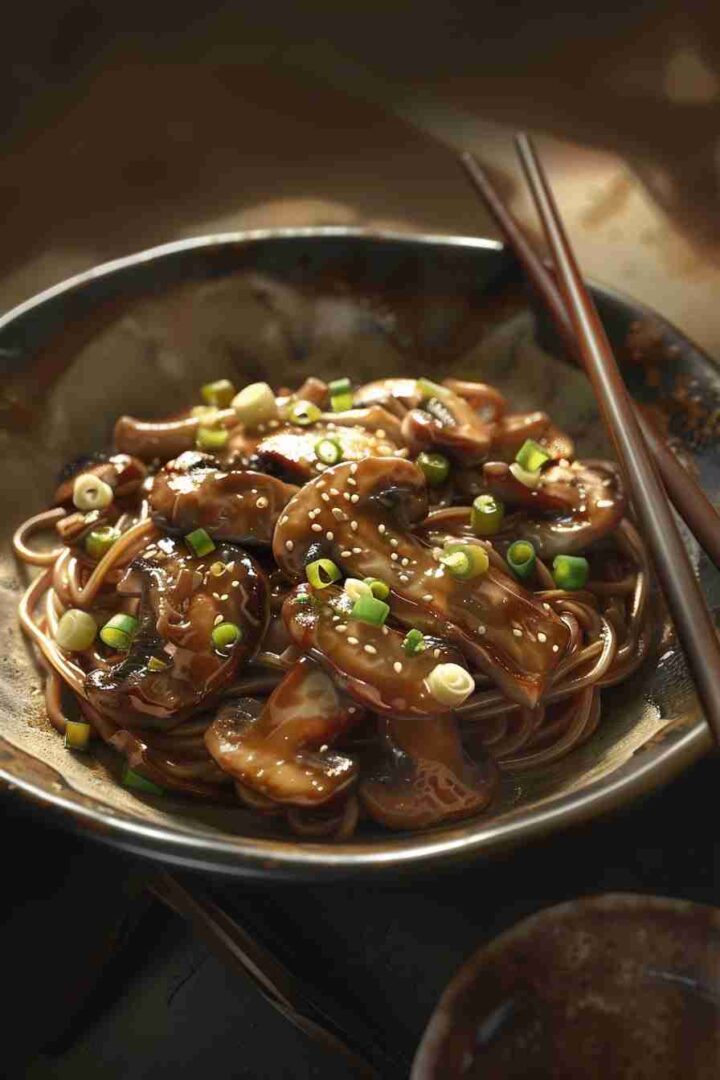
- Unite the stars: Add the hot soba straight to the skillet with the mushroom miso sauce. Pour in a splash of that reserved pasta water and toss everything with tongs or two spoons for 1-2 minutes over low heat. Watch as the sauce clings lovingly to each noodle strand, creating glossy, irresistible bites. If it seems dry, add more pasta water a tablespoon at a time—aim for saucy, not soupy.
- Rest and infuse: Remove from heat and let the dish sit, covered, for 2 minutes. This magical pause allows the soba to soak up every last drop of flavor, turning good into great. It's like a flavor spa day—patience pays off in deeper, more harmonious tastes.
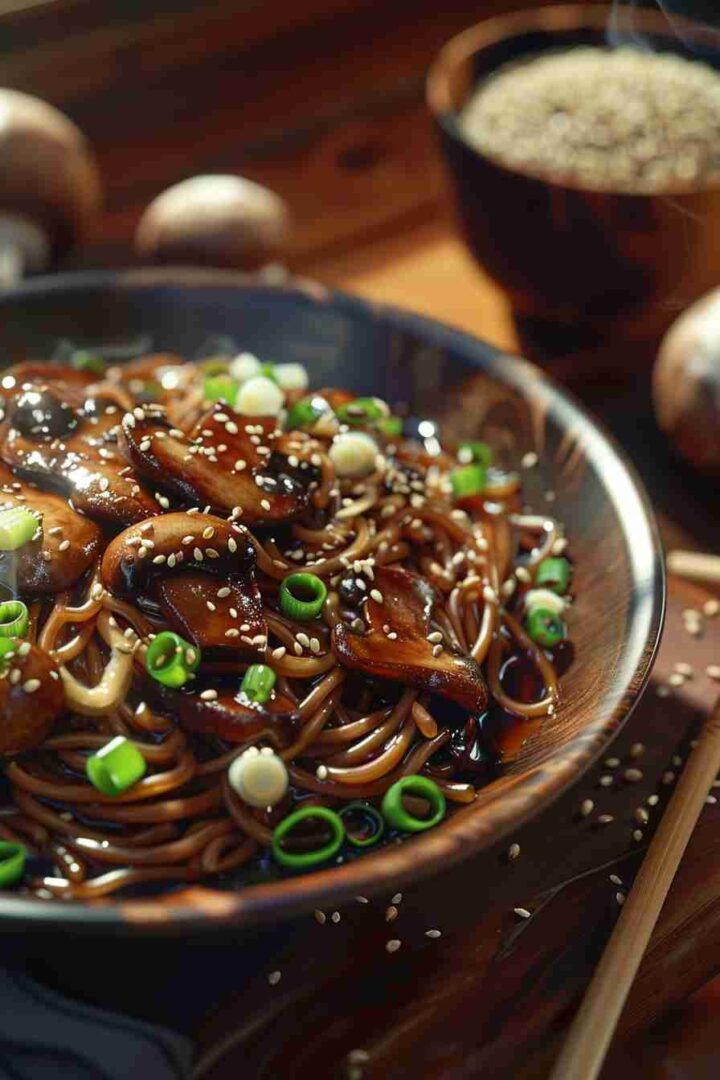
- Garnish with flair: Uncover and scatter over the sliced scallions and toasted sesame seeds for pops of color, freshness, and crunch. If you're feeling spicy, sprinkle chili flakes now. Give it one final gentle toss to distribute the goodies—your kitchen canvas is now a masterpiece ready to serve.
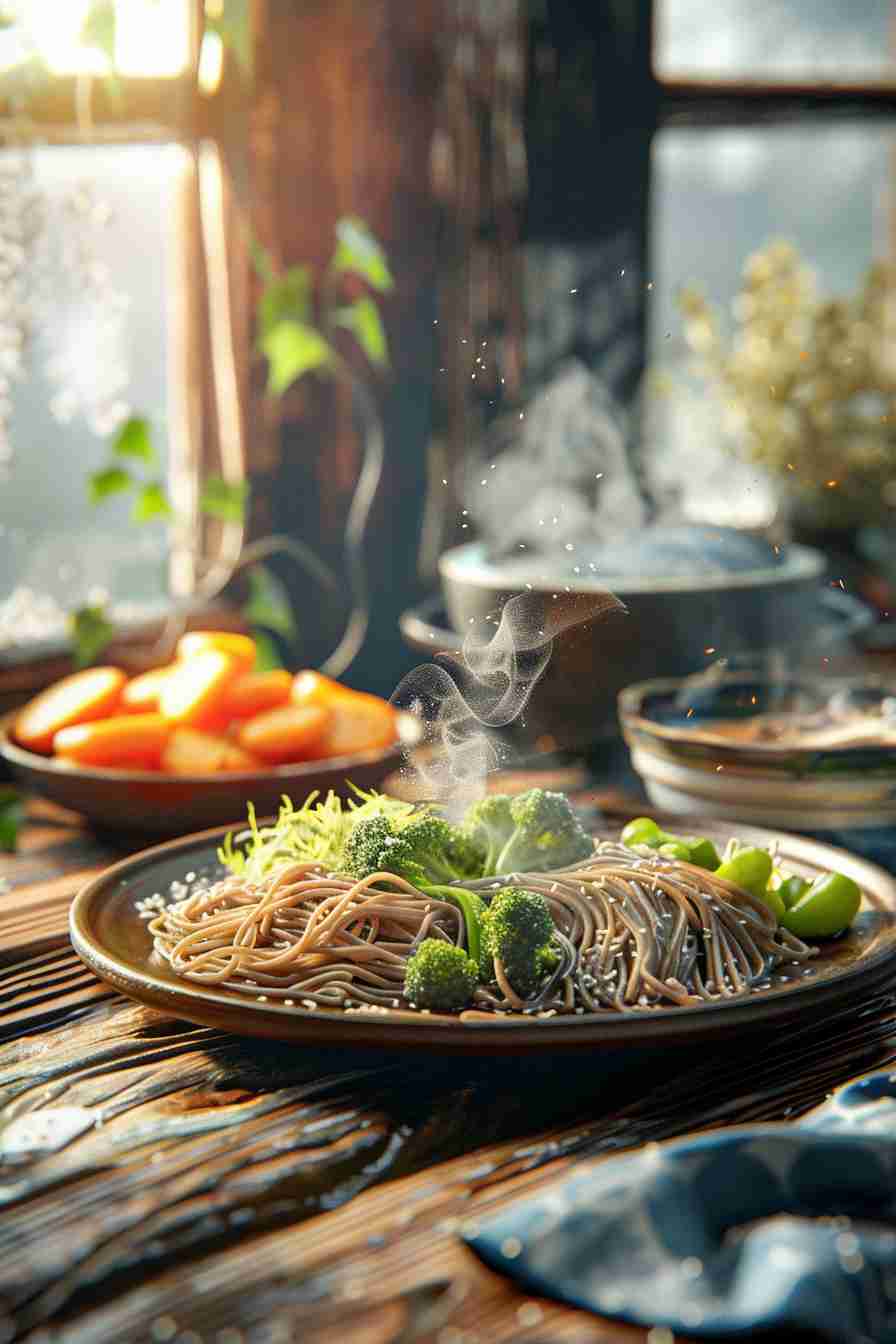
- Serve with a smile: Divide into warm bowls and invite your crew to dig in family-style. Pair with a crisp green salad or steamed edamame for balance, and savor each twirl of noodle. You've just created pure comfort—high-five to you for this effortless win!
Notes
Recipe Tips and Tricks
To elevate your soba noodles experience, start by toasting the sesame oil gently over low heat before adding garlic—this unlocks its nutty essence without bitterness. Don’t rinse the cooked soba under cold water unless serving chilled; the starch helps the sauce cling beautifully for a silkier texture. For the mushrooms, pat them dry thoroughly before sautéing to achieve that irresistible golden sear rather than steaming. Taste the miso sauce midway and adjust with a splash of rice vinegar for brightness if it feels too rich. Use a wide pan for cooking the mushrooms to prevent overcrowding, ensuring even caramelization. If your miso is quite salty, dilute it slightly with warm water to avoid overpowering the dish. Finally, let the assembled noodles rest for 2 minutes post-toss; this allows flavors to marry, turning good into unforgettable. Pro tip: Serve family-style in a large bowl to encourage sharing and that extra dash of sesame seeds for crunch.
Ingredients Notes
- Soba Noodles: Made from buckwheat flour, these provide a nutty, gluten-free base that’s quicker-cooking than wheat pasta and adds a subtle earthiness that pairs seamlessly with the mushrooms—aim for dried bundles from a reputable brand to avoid sogginess, ensuring the perfect chewy texture.
- Mixed Mushrooms (Shiitake, Cremini, and Oyster): The stars of the dish, offering varied textures from meaty to delicate, while their natural glutamates amplify the umami; fresh is best for vibrant flavor, but rehydrate dried shiitake overnight for deeper intensity if you’re prepping ahead.
- White Miso Paste: Milder and sweeter than red varieties, this forms the sauce’s creamy backbone—it’s fermented soybeans that deliver probiotics and that signature savory punch, so spoon it straight from the fridge for authenticity and measure generously for maximum umami depth.
- Low-Sodium Tamari or Soy Sauce: Ensures balanced saltiness for gluten-sensitive eaters, with tamari as a wheat-free alternative; it enhances the miso’s savoriness without overpowering, keeping the sauce silky and harmonious.
- Toasted Sesame Oil: Adds a glossy finish and nutty aroma—divided for sautéing and finishing; toast it gently if yours is untoasted to unlock deeper flavors, but use sparingly to avoid greasiness.
- Garlic and Ginger: Fresh aromatics that keep things vibrant without overwhelming; mince the garlic finely for even distribution and grate the ginger for a zesty kick that cuts through the richness.
- Rice Vinegar: Brings a subtle tang to brighten the sauce; opt for unseasoned to control flavors precisely, adding a refreshing contrast to the earthy mushrooms.
- Vegetable Broth or Water: Dilutes the miso for a pourable consistency while infusing subtle savoriness—use low-sodium broth for control, or water if you want the mushrooms to shine solo.
- Scallions: Thinly sliced for garnish, they add a crisp, green contrast and mild oniony bite that elevates the final presentation with fresh pops of color.
- Sesame Seeds: Toasted for extra crunch and nuttiness, these are optional but recommended—sprinkle liberally to mimic restaurant-style flair and enhance texture.
Variations and Substitutions
This recipe is a canvas for creativity, allowing endless tweaks to match your mood, pantry, or dietary needs without losing its soul. For a protein boost, stir in cubed firm tofu or tempeh midway through mushroom cooking, letting it absorb the miso flavors, or top with a soft-boiled egg for non-vegans seeking creaminess. Swap soba for rice noodles if buckwheat’s earthiness isn’t your vibe, or go zucchini noodles for a low-carb spiralized twist that’s summery light. Mushroom lovers can experiment with wild varieties like maitake for woodsy notes, or add spinach and bok choy in the last simmer for a veggie-packed one-pot wonder. If miso’s not on hand, tahini mixed with soy sauce mimics the nuttiness, while coconut aminos sub tamari for a sweeter, soy-free option ideal for AIP diets. Spice it up with chili flakes or gochujang for Korean flair, or keep it mild with extra ginger. For a chilled version, shock the noodles in ice water and toss with the sauce just before serving as a refreshing salad. Even dessert-like, blend in roasted sweet potatoes for autumnal warmth. These swaps maintain the dish’s quick-cook charm and umami core, ensuring it’s adaptable for gluten-free, vegan, or low-FODMAP lifestyles while keeping prep under 30 minutes.
Storage Options
Store leftovers in an airtight container in the fridge for up to 3 days; the sauce may thicken, so loosen with a splash of warm water or broth when reheating. For longer life, freeze portioned noodles and sauce separately for up to 1 month—thaw overnight and gently reheat on the stovetop to preserve texture. Avoid microwaving to prevent mushy soba.
Dish Gallery
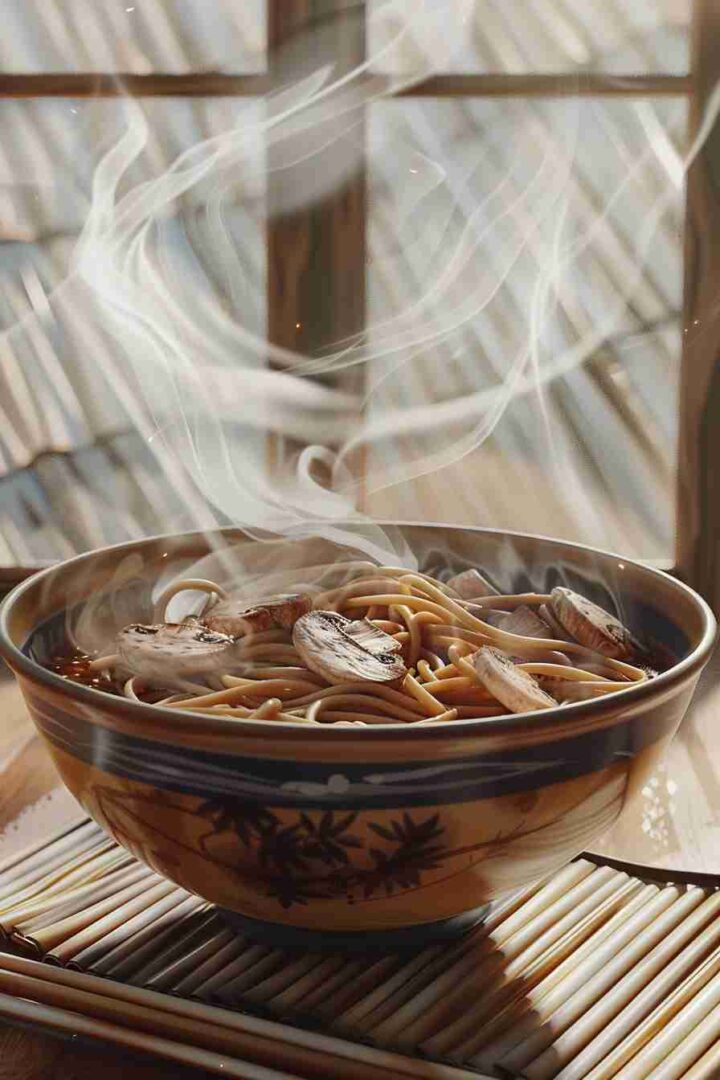
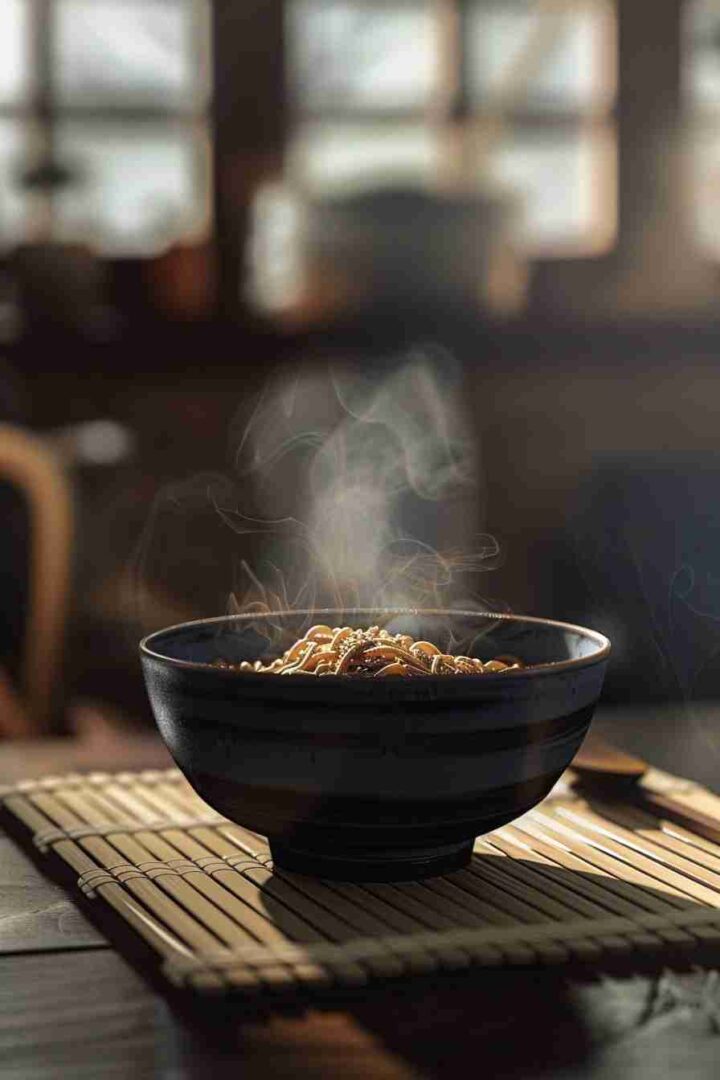
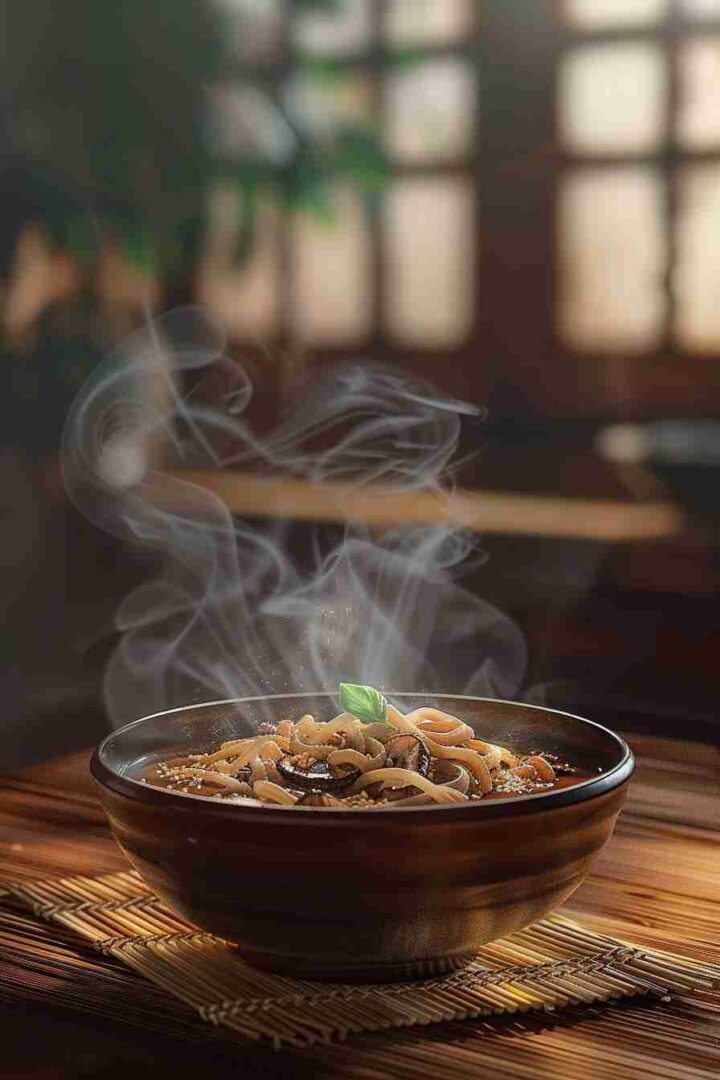
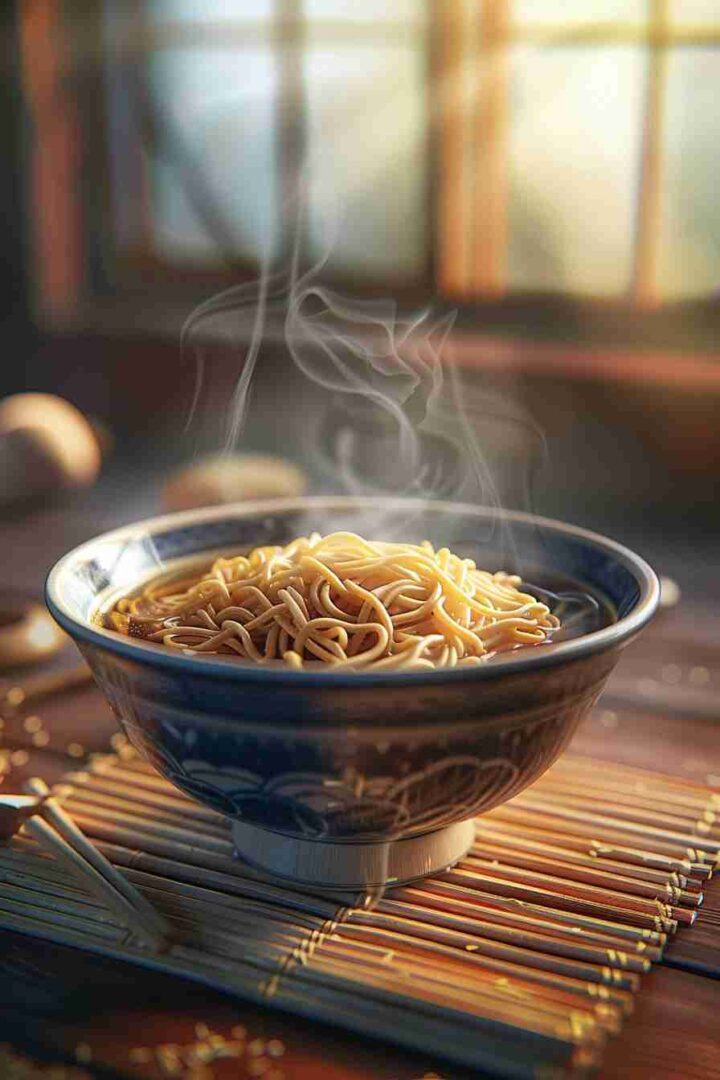
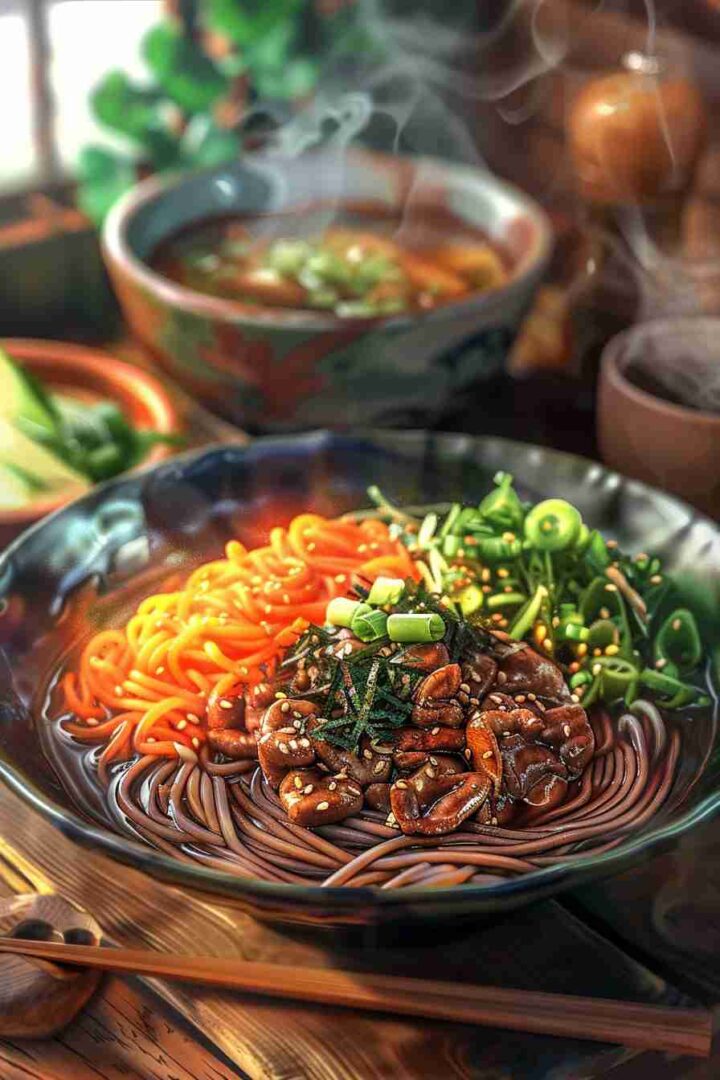
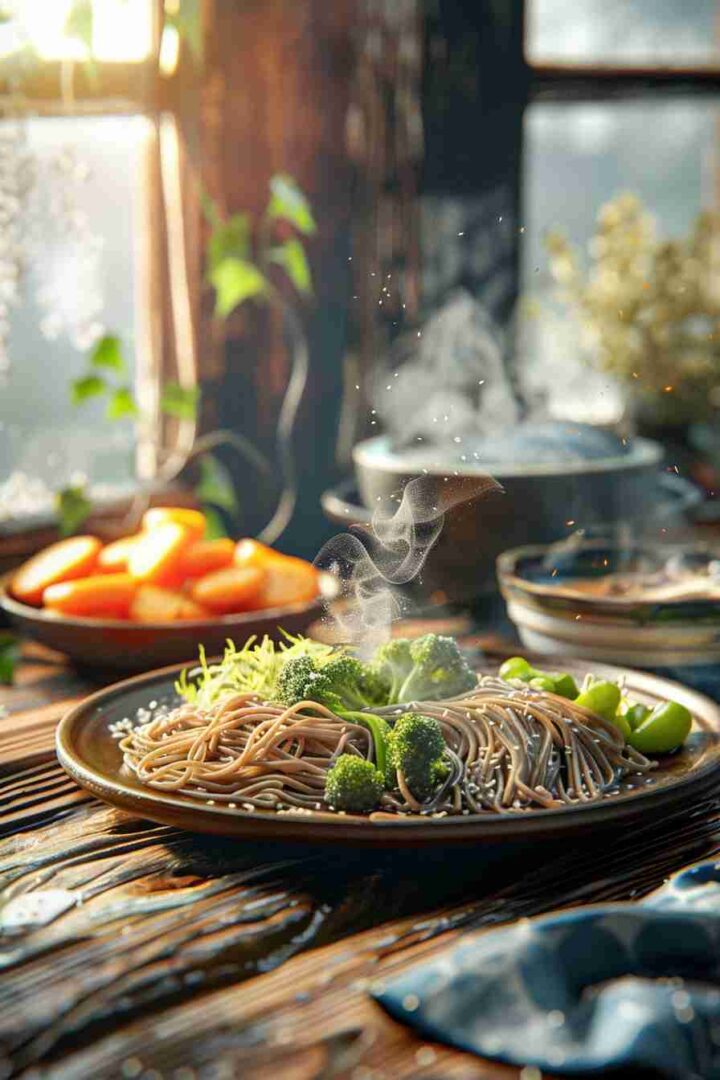
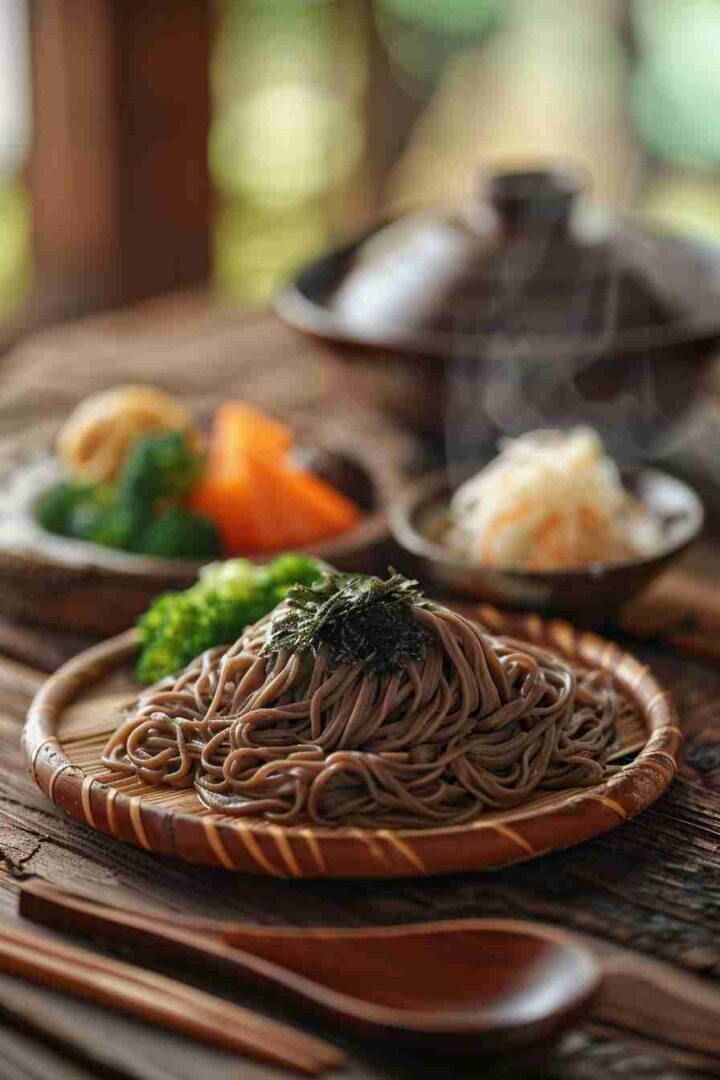
Please share this Soba Noodles with Mushroom Miso Sauce with your friends and do a comment below about your feedback.
We will meet you on next article.
Until you can read, Savory Mushroom Ramen Noodles